How to read skincare ingredients (without a chemistry degree)
A practical guide to INCI lists, common actives, and how goBeauty’s ingredients library helps you compare products safely.
INCI order is your first clue
On most labels, ingredients appear in descending order of concentration until a low threshold. The first five to seven ingredients usually define the formula’s bulk (water, emollients, humectants).
Actives may appear lower on the list yet still matter at effective percentages. Marketing claims should match the actual formula, not just the front label.
Learn a shortlist of high-impact actives
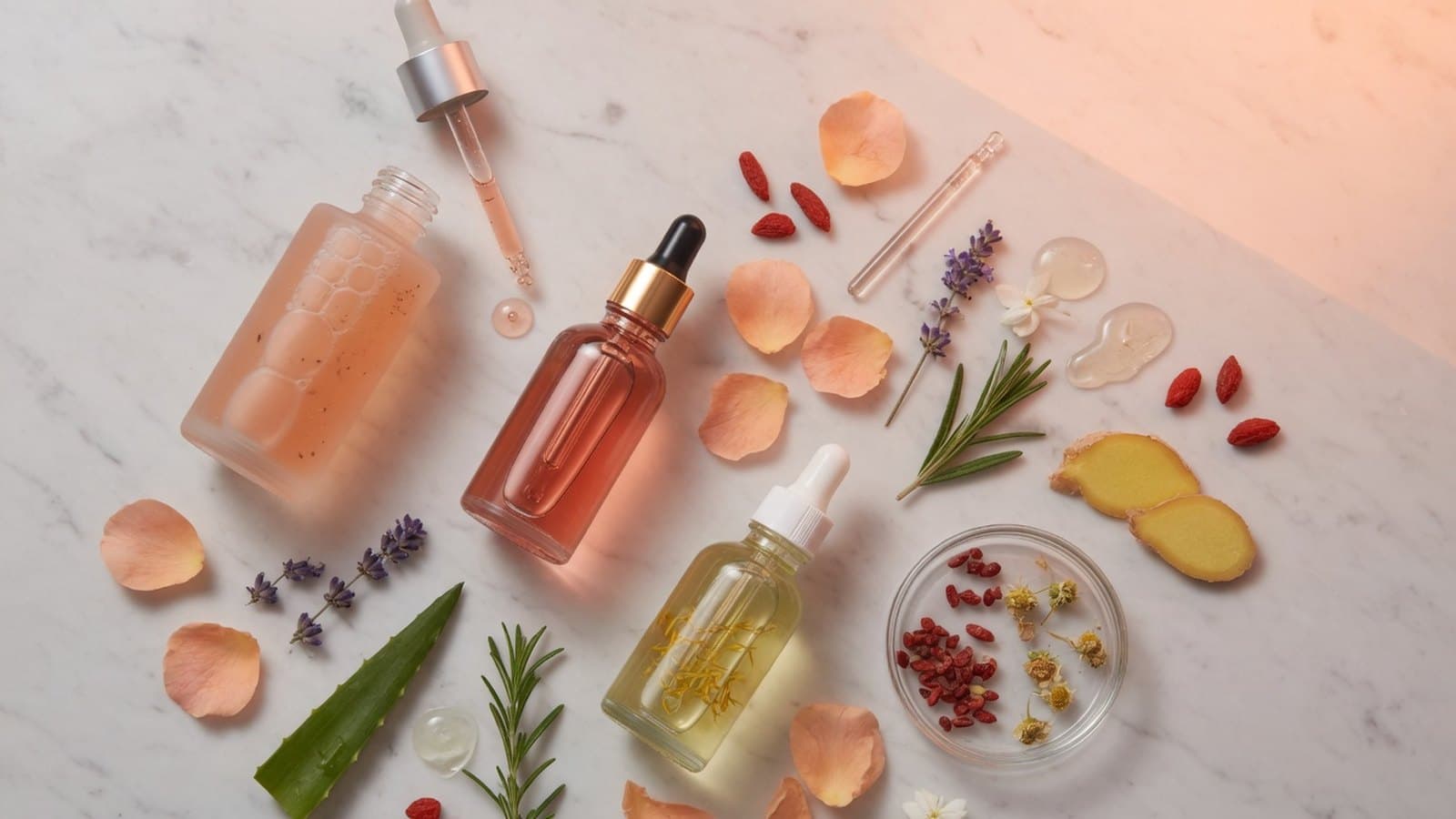
You do not need every chemical name. Start with retinoids, vitamin C derivatives, niacinamide, AHAs/BHAs, ceramides, and SPF filters. Match them to goals: texture, tone, barrier, oil control, or sun protection.
Use goBeauty to research faster
Browse the ingredients library for plain-language explainers, then open product pages that contain those ingredients. Compare Products is useful when two formulas make similar claims but differ in actives or brand positioning.
Related questions
Is a longer ingredient list better?
Try it on goBeauty
Analyze a look, shop products, or find pros nearby.